
What is the VanEck Onchain Economy ETF (NODE)?
The VanEck Onchain Economy ETF (NODE) is an actively managed fund designed to capture growth within the digital asset infrastructure sector. Unlike spot crypto ETFs that hold Bitcoin or Ethereum directly, NODE invests in public equities—such as mining operations, exchanges, and technology providers—that derive significant revenue from blockchain activities. This structure allows investors to gain thematic exposure to the "onchain economy" through traditional equity markets, mitigating the operational complexities of direct digital asset custody.
With a market capitalization typically hovering around $74 million, NODE serves as a specialized niche vehicle. It targets investors seeking exposure to the business side of the crypto industry while adhering to SEC regulations for equity ETFs. The fund’s active management approach aims to select companies with strong fundamentals in the digital asset ecosystem, rather than passively tracking a broad index.
Active Management and Rebalancing Strategy
As an actively managed fund, NODE’s portfolio construction is driven by VanEck’s investment team rather than a static index. This discretion is critical in the onchain sector, where technological shifts and regulatory landscapes evolve rapidly. The manager evaluates companies based on their meaningful tie to blockchain infrastructure, adjusting holdings to capture long-term appreciation opportunities as the sector matures.
Rebalancing is not bound by a rigid schedule but is instead driven by the manager’s assessment of risk-adjusted returns. This flexibility allows the fund to navigate volatility inherent in blockchain-related equities. By actively selecting and weighting positions, NODE aims to outperform passive benchmarks that may include less relevant or overly speculative assets. The goal is to maintain a portfolio that accurately reflects the current state of the onchain economy.
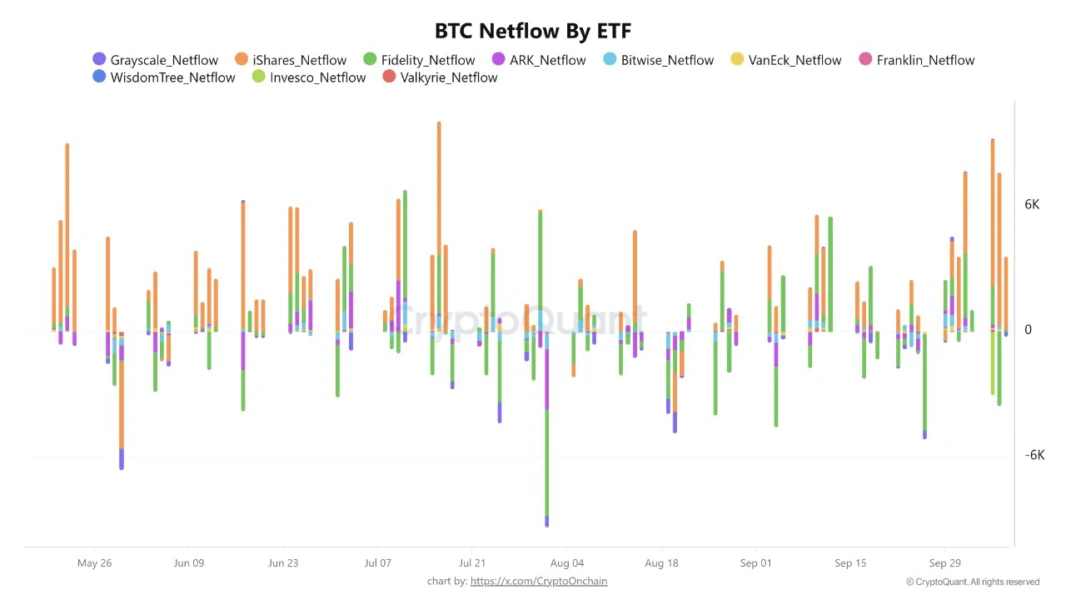
To support this strategy, NODE relies on the standard ETF creation and redemption process. Authorized Participants (APs) facilitate share flow by exchanging baskets of underlying securities for ETF shares or vice versa. This mechanism helps keep the ETF’s market price aligned with its net asset value (NAV), ensuring efficient entry and exit for investors. The manager’s discretion in selecting underlying securities directly impacts the quality of these baskets, influencing the fund’s overall performance.
Portfolio Composition and Concentration Risks
NODE’s primary risk lies in sector concentration. A substantial portion of the fund’s assets is often allocated to a small number of high-liquidity exchange-traded firms and mining giants. This lack of diversification means that adverse news affecting a single major player—such as a regulatory crackdown on a primary exchange or a security breach at a major mining operation—can disproportionately impact the entire fund.
| Metric | VanEck Onchain Economy (NODE) | iShares Bitcoin Trust (IBIT) | ARK 21Shares Bitcoin ETF (ARKB) |
|---|---|---|---|
| Primary Asset Class | Public Equities (Crypto-related) | Spot Bitcoin | Spot Bitcoin |
| Top Sector Weight | Exchanges & Infrastructure | N/A (Single Asset) | N/A (Single Asset) |
| Regulatory Risk | Corporate/Securities Law | Commodity Regulation | Commodity Regulation |
| Correlation to BTC | Moderate to High | 1.0 | 1.0 |
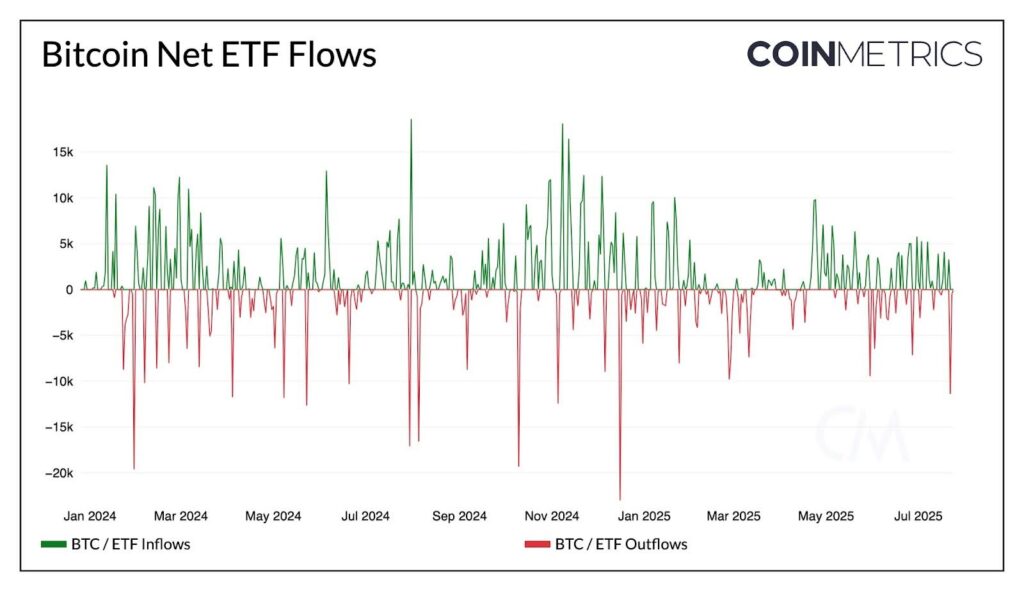
The table above highlights the fundamental divergence between NODE and direct crypto ETFs. While IBIT and ARKB track the price of Bitcoin almost 1:1, NODE tracks the performance of businesses associated with Bitcoin. This introduces a layer of decoupling; the fund may underperform during a bull market if mining margins compress or exchange fees decline, even if Bitcoin’s price rises. Understanding this distinction is critical for assessing whether NODE fits a portfolio’s broader risk tolerance.
| Metric | NODE | IBIT | ARKB |
|---|---|---|---|
| Asset Type | Equities | Spot BTC | Spot BTC |
| Top Holding | Coinbase (COIN) | Bitcoin | Bitcoin |
| Volatility Source | Corporate Earnings | BTC Price | BTC Price |
NODE Investor Checklist
Before committing capital to NODE, investors must validate the fund’s structural integrity against their specific risk tolerance. This actively managed vehicle targets companies meaningfully tied to the on-chain economy, but its unique structure requires due diligence on liquidity, fee drag, and thematic purity.
Confirm that the ETF uses an in-kind creation/redemption process. This mechanism allows authorized participants to exchange a basket of underlying securities for ETF shares, which typically minimizes capital gains distributions and improves tax efficiency compared to cash-settled funds.
Evaluate the expense ratio against the fund’s active management strategy. Because NODE seeks long-term capital appreciation through active stock selection rather than passive index tracking, investors must determine if the management fee is justified by consistent outperformance relative to the broader blockchain sector.
Review the average daily trading volume and bid-ask spread. While the fund is listed on major exchanges, lower trading volumes can lead to wider spreads, increasing the implicit cost of entry and exit. Ensure the spread aligns with your trading frequency and position size.
Scrutinize the top holdings to ensure they match your definition of the "on-chain economy." The fund invests in blockchain infrastructure, digital assets, and related technology. Confirm that the current weightings in infrastructure versus application-layer companies fit your exposure goals.
| Metric | Value |
|---|---|
| Management Type | Active |
| Primary Focus | On-chain Economy |
| Distributions | Capital Gains/Income |
| Structure | In-Kind Creation/Redemption |
Frequently asked: what to check next
How does NODE differ from a Bitcoin ETF? NODE holds stocks of public companies in the blockchain sector, while Bitcoin ETFs hold the cryptocurrency itself. NODE’s performance is driven by corporate earnings and equity market dynamics, whereas Bitcoin ETFs track the spot price of the asset.
Is NODE an active or passive fund? It is an actively managed fund. Portfolio managers select specific holdings based on their conviction in the onchain economy, rather than tracking a broad index like the MSCI Global Blockchain Index.
What are the primary risks of investing in NODE? Key risks include sector concentration (heavy weighting in exchanges and miners), regulatory changes affecting crypto businesses, and the correlation between crypto equities and broader stock market volatility. Additionally, lower trading volumes can result in wider bid-ask spreads.

No comments yet. Be the first to share your thoughts!