
Why on-chain data matters for ETFs
Traditional ETF reports are lagging indicators. They tell you what happened yesterday, but they rarely reveal what is happening right now. For crypto investors, this delay can be the difference between capturing a trend and missing it entirely. On-chain data provides real-time visibility into institutional accumulation and distribution, offering a live feed of capital flows that traditional finance reports simply cannot match.
When you hold a Bitcoin ETF, your shares are backed by actual BTC held in custody. Tracking the movement of that underlying Bitcoin reveals the true sentiment of institutional players before official Net Asset Value (NAV) reports are published. This transparency allows investors to see if large funds are accumulating or distributing, providing a clearer picture of market pressure than price action alone.
The integration of on-chain metrics with ETF data creates a more complete valuation model. As noted by industry analysts, Bitcoin valuation now requires both onchain and offchain data, as ETFs, futures markets, and macro liquidity all shape price discovery 21Shares. By combining these data sources, you can identify institutional intent earlier, giving you a strategic edge in a fast-moving market.
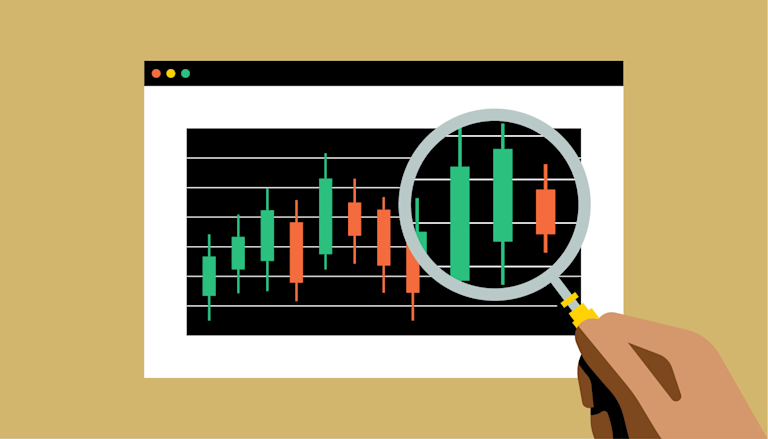
To understand the current state of these flows, it helps to look at the broader market context. The following chart illustrates the recent price action of Bitcoin, which often correlates with ETF flow data.
New platforms like Coin Metrics ETF On-Chain Insights are making this data more accessible, allowing users to track individual and aggregate flows into and out of Bitcoin ETFs with precision Talos. This level of detail transforms on-chain data from a niche tool into a primary indicator for ETF performance.
Track Bitcoin ETF Custody Wallets
Monitoring specific custodian wallets lets you see net inflows and outflows before they hit the daily NAV reports. This on-chain visibility acts as a real-time pulse for BlackRock (IBIT), Fidelity (FBTC), and Grayscale (GBTC). By watching these addresses, you can gauge institutional demand shifts as they happen, rather than waiting for end-of-day summaries.
The Block maintains a comprehensive data hub that aggregates daily flows, assets under management, and on-chain holdings for all major spot Bitcoin ETFs. Their dashboard breaks down the specific wallet activity for IBIT, FBTC, and GBTC, allowing you to filter by date and view net changes. This source is widely cited for its accuracy in tracking the movement of billions in Bitcoin into and out of exchange-trusted structures.
For deeper granularity, Dune Analytics offers community-built dashboards that map directly to identified custodian addresses. These visualizations track deposits and withdrawals from wallets known to hold ETF shares. You can see the raw transaction data, identifying whether large movements are coming from authorized participants creating new shares or entities redeeming existing ones. This level of detail helps distinguish between routine rebalancing and significant sentiment shifts.
| Data Source | Primary Focus | Update Frequency |
|---|---|---|
| The Block | Aggregated ETF flows & AUM | Daily |
| Dune Analytics | Raw custodian wallet transactions | Real-time |
| Farside Investors | Official daily flow reports | Daily |
Compare ETF Analytics Platforms
Tracking Bitcoin ETF flows requires precise on-chain visibility. Several platforms specialize in aggregating custody data, but they serve different analytical needs. Choosing the right tool depends on whether you need raw SQL access, curated dashboards, or institutional-grade reporting.
Coin Metrics
Coin Metrics offers the ETF On-Chain Insights suite, designed for institutional precision. It tracks individual and aggregate flows into and out of Bitcoin ETFs, providing a clear view of total BTC supply held by these funds. Their focus is on high-fidelity data for monitoring shifts in ETF dominance. This platform is ideal for analysts who need accurate, audited metrics without building their own pipelines. Learn more about Coin Metrics ETF insights.
Dune Analytics
Dune provides a community-driven approach to on-chain data. The popular Bitcoin ETF dashboard tracks deposits and withdrawals of addresses identified as custodians. This open-source model allows users to query raw SQL data, making it highly flexible for custom analysis. It is best suited for developers and power users who want to build their own visualizations or dig into transaction-level details.
The Block
The Block aggregates data from multiple sources to provide comprehensive market overviews. They offer detailed lists of Bitcoin ETFs, including inflows, outflows, AUM, and NAV. Their reporting style is more editorial, combining data with narrative context. This is useful for investors who want a high-level summary of market sentiment alongside the hard numbers.
Platform Comparison
The table below compares the primary strengths of these three leading platforms for tracking crypto ETF on-chain data.
| Platform | Data Type | Best For | Access |
|---|---|---|---|
| Coin Metrics | Institutional | Precise flow tracking | Subscription |
| Dune | Community | Custom SQL queries | Free/Paid |
| The Block | Aggregator | Market summaries | Subscription |
Beyond Bitcoin: Ether and thematic ETFs
Bitcoin spot ETFs dominate headlines, but the market has expanded to include Ethereum and actively managed thematic funds. Tracking on-chain data for these assets requires different approaches than simple price monitoring. Ether ETFs track a specific asset, while thematic ETFs like VanEck NODE hold a basket of equities tied to the blockchain industry.
Ethereum ETF tracking
Ethereum spot ETFs, such as those from BlackRock and Fidelity, hold actual ETH. This means on-chain metrics like gas fees, validator activity, and staking yields directly impact the underlying asset. Unlike Bitcoin, which is primarily a store of value, Ethereum’s utility drives demand for its token. Monitoring network activity provides insight into the health of the ecosystem these ETFs represent.
Thematic ETFs and the on-chain economy
For broader exposure, investors may look at thematic ETFs like the VanEck Onchain Economy ETF (NODE). This actively managed fund invests in companies and instruments meaningfully tied to the on-chain economy, including blockchain infrastructure and digital asset services. Tracking on-chain data here is more complex because the ETF holds stocks, not crypto. You must monitor both the on-chain performance of the underlying companies’ crypto divisions and the broader equity market sentiment.
The distinction matters for on-chain analysis. With Bitcoin and Ether, you watch the ledger. With thematic ETFs, you watch the companies building on the ledger. Both offer exposure to the crypto narrative, but the data signals you need to watch are fundamentally different.
Build an on-chain ETF monitoring checklist
Tracking crypto ETF flows requires a routine that combines aggregate market data with granular on-chain movements. You need to verify that reported inflows match actual blockchain activity to avoid relying on stale or opaque custodian reports. This checklist guides you through setting up a daily monitoring workflow.
Start with a primary data provider like The Block or CoinMarketCap to monitor daily inflows and outflows for major spot Bitcoin ETFs. These platforms aggregate net asset value (NAV) data and provide a high-level view of capital movement across issuers like BlackRock (IBIT) and Fidelity (FBTC). Use this as your baseline to identify days of significant deviation from average volume.
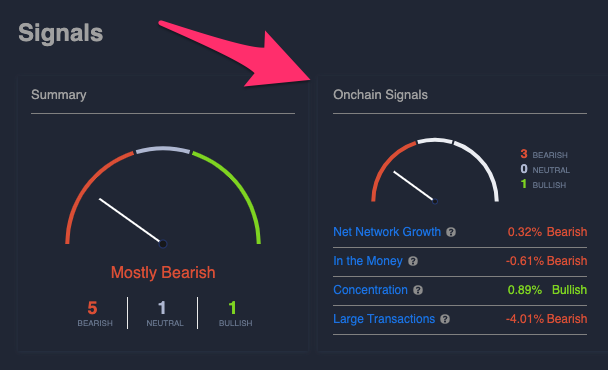
Cross-reference aggregate flows with on-chain data from platforms like Dune Analytics. Look for dashboards that track deposits and withdrawals from known custodian addresses. This step confirms whether reported flows reflect actual BTC transfers on the blockchain, filtering out noise from secondary market trading that doesn't impact the underlying fund holdings.

Use tools like Coin Metrics to track the percentage of total BTC supply held by ETFs. Shifts in ETF dominance can signal institutional accumulation or distribution phases that precede broader market moves. This metric helps contextualize price action, showing whether demand is coming from new capital entering the system or existing holders selling into strength.
Integrate a live technical chart for the relevant ETF ticker to correlate flow data with price action. Sudden spikes in outflows often precede short-term price dips, while consistent inflows support upward momentum. Use provider-backed widgets to view real-time price data alongside your flow metrics for a complete picture.
| Metric | Primary Source | Update Frequency |
|---|---|---|
| Daily Net Flows | The Block / CoinMarketCap | Daily (Post-NAV) |
| Custodian Transfers | Dune Analytics | Real-time / Hourly |
| ETF Dominance | Coin Metrics | Daily |
| Price Action | TradingView | Real-time |

No comments yet. Be the first to share your thoughts!