
Crypto ETF on-chain analysis limits to account for
Spot crypto ETFs offer transparency, but on-chain data has specific limitations that can distort your view of institutional demand. Custodians like Coinbase or BitGo aggregate thousands of wallets, making it difficult to trace specific ETF inflows or outflows in real-time. This aggregation creates a blind spot where significant institutional accumulation can occur without immediate on-chain visibility.
The primary tradeoff lies in the delay and ambiguity of data. On-chain analysis can show when large sums move from a custodian to an exchange, signaling potential selling pressure. However, these movements might also represent internal rebalancing or fee payments rather than investor redemptions. Conversely, on-chain data rarely captures the full picture of ETF creation units, which are the mechanism by which new shares are minted.
To navigate this, investors must weigh the immediacy of price action against the lagging nature of on-chain metrics. Price widgets and technical charts often react faster to market sentiment than blockchain data can confirm. Use on-chain analysis to identify broad trends in custodian movements, but rely on official fund flow reports for precise tracking of ETF subscriptions and redemptions. This dual approach prevents misinterpreting routine custodian activity as a major market shift.
| Metric | On-Chain Data | Official Fund Reports |
|---|---|---|
| Timeliness | High (real-time) | |
| Accuracy | Medium (aggregated wallets) | |
| Granularity | Low (custodian level) | |
| Cost | Free |
Build a tracking framework for spot crypto ETFs
Transparency in spot crypto ETFs isn't just about seeing what's inside the vault; it's about verifying the chain of custody in real time. For 2026, the gap between traditional reporting cycles and on-chain settlement is closing, but only if you know where to look. Relying on quarterly PDFs is no longer enough for risk management.
Use this step-by-step framework to monitor holdings, custody proofs, and price impacts across Bitcoin and Ethereum spot ETFs.
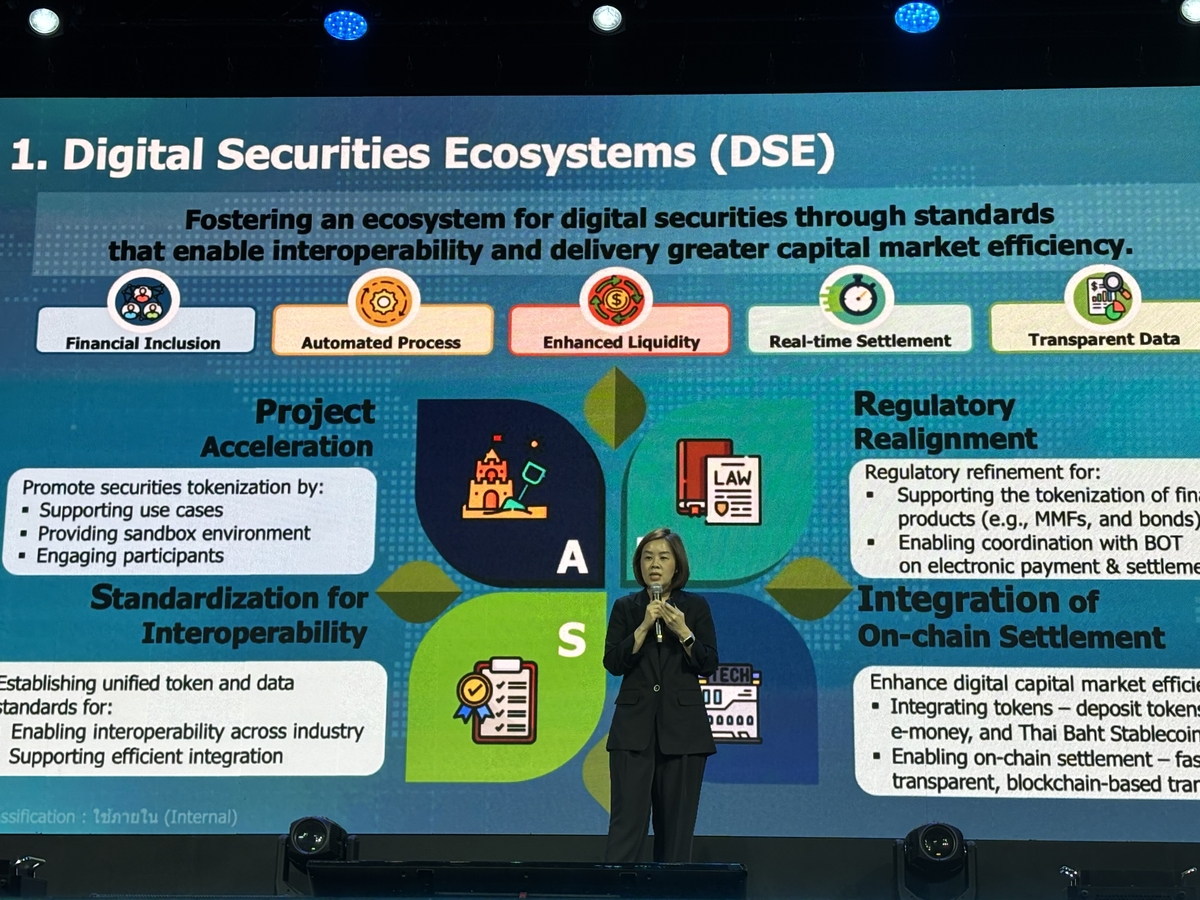
Spot ETFs must publish daily proof-of-reserves (PoR) to regulators and shareholders. Use on-chain explorers to verify the total supply of the ETF shares against the underlying crypto held in cold storage. If the on-chain balance lags behind the reported holdings, it signals potential custody delays or operational friction.

Track the number of ETF shares being created or redeemed by authorized participants. Sudden spikes in redemptions often precede price drops as the fund must sell underlying assets. Real-time dashboards from providers like Coinglass or Glassnode show these flows, giving you an early warning signal before the broader market reacts.
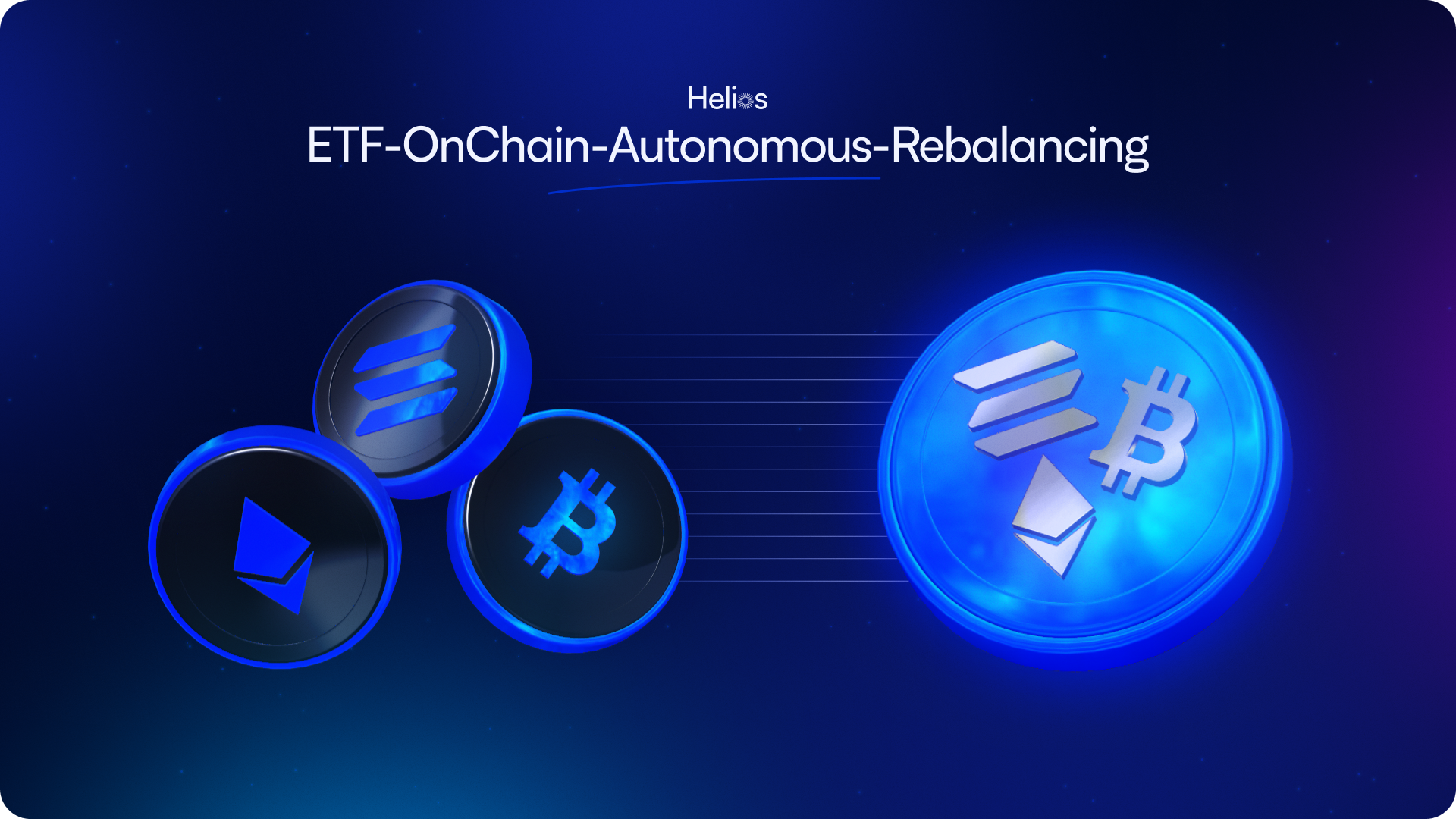
By 2026, Ethereum ETFs are increasingly linked to real-world asset (RWA) tokenization and DeFi yield strategies. Monitor whether the underlying custodian is staking assets or lending them out. While this can boost yields, it introduces counterparty risk that traditional spot ETFs didn't have. Check the fund's prospectus updates for any new "yield-generating" clauses.
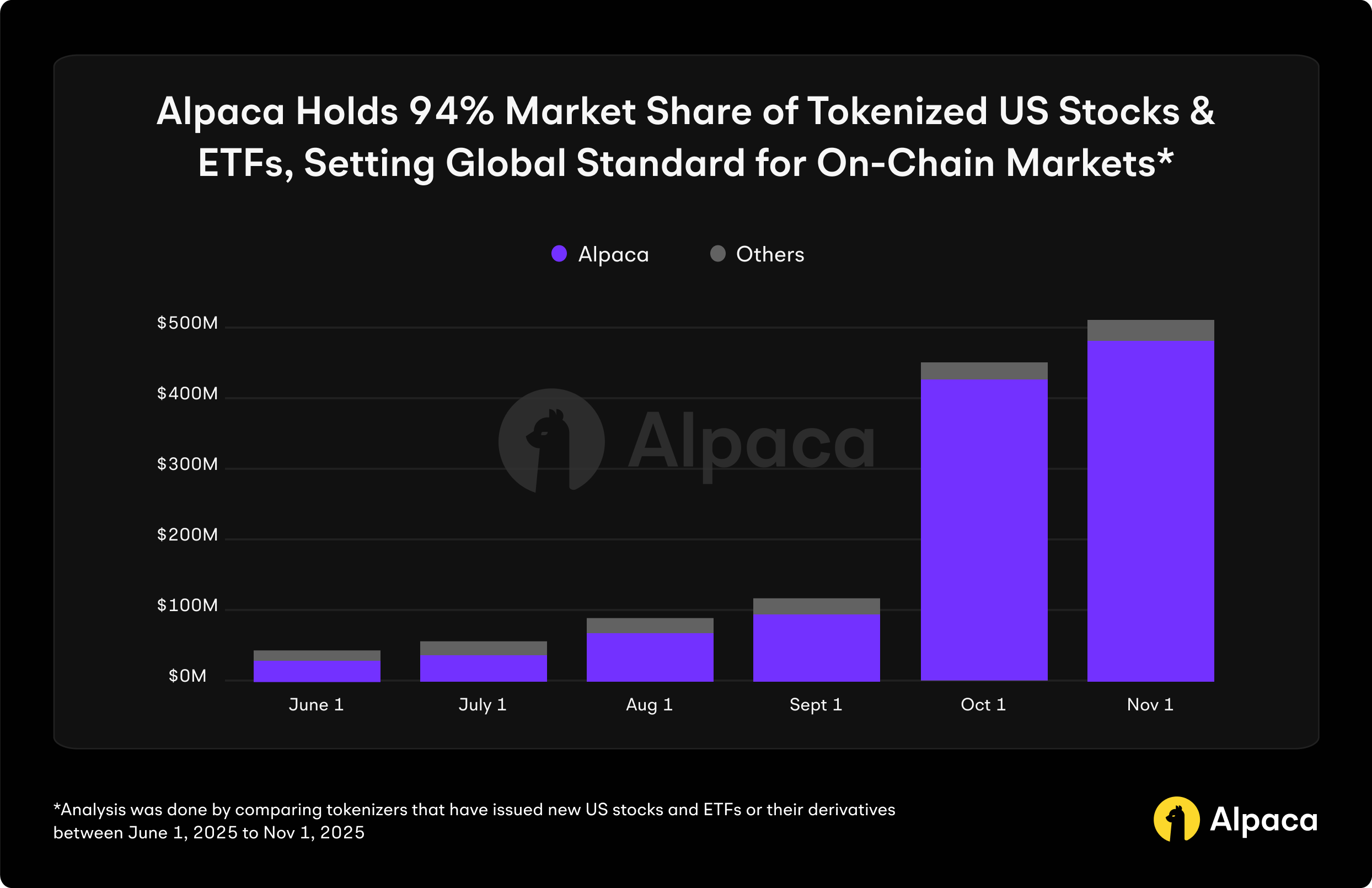
Institutional inflows don't always move the needle alone. Cross-reference ETF creation units with large wallet movements on the blockchain. If ETF inflows are high but whale wallets are dumping, the price impact may be muted or negative. This divergence helps you separate genuine institutional demand from speculative positioning.
The market is shifting from passive holding to active verification. By tracking these four data points, you move from guessing the health of an ETF to auditing its actual on-chain footprint. This framework turns transparency from a regulatory requirement into a competitive edge.
Watch out for misleading on-chain claims
Spot crypto ETFs provide daily holdings via Form N-PORT, but these are lagging snapshots, not real-time transparency. Relying on on-chain wallet trackers to predict daily NAV movements is a common mistake. The data is too slow and often misaligned with the fund's actual custodial holdings.
Many platforms label "whale alerts" as insider trading signals. This is misleading. Large transfers often involve cold storage rebalancing or OTC desk settlements that do not impact immediate market supply. Treating every large transaction as a price catalyst leads to false entry and exit points.
Another weak option is assuming all ETFs track the same basket. While Bitcoin ETFs are straightforward, altcoin and Ethereum ETFs may have different custody structures or rebalancing schedules. Failing to check the specific prospectus for tracking methodology can result in unexpected tracking error.
Focus on official filings from the SEC and the ETF issuer's website. These provide the only verified data on holdings. Ignore speculative on-chain dashboards for daily trading decisions. They are useful for long-term trend analysis, not short-term NAV verification.

No comments yet. Be the first to share your thoughts!