
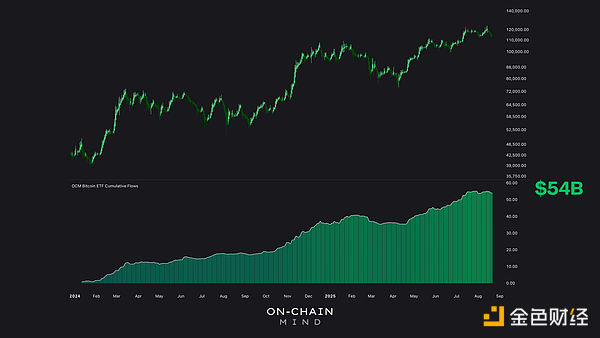
Spot Bitcoin ETF on-chain holdings
Tracking spot Bitcoin ETF on-chain holdings provides the most direct view of institutional capital allocation. Unlike traditional fund reports that lag by days or weeks, on-chain data reveals the actual Bitcoin reserves held by major issuers in real time. This transparency allows investors to distinguish between passive accumulation and active distribution with precision.
The landscape is dominated by a few key issuers, each managing billions in assets. BlackRock’s iShares Bitcoin Trust (IBIT) and Fidelity’s Wise Origin Bitcoin Fund (FBTC) lead in total reserves, reflecting their massive distribution networks. Meanwhile, legacy players like the Grayscale Bitcoin Trust (GBTC) continue to show outflows as investors shift to lower-fee alternatives. Ark Invest and Bitwise also maintain significant positions, though their flows often correlate more closely with retail sentiment.
Monitoring these reserves helps identify accumulation phases before price movements reflect. When major issuers see consistent net inflows, it signals sustained institutional demand. Conversely, sudden drops in reserves often precede selling pressure. Understanding these on-chain dynamics is essential for gauging the true strength of the spot Bitcoin market.
Chart: IBIT price and volume correlation with on-chain flows.
Comparing major crypto ETF issuers
The spot Bitcoin ETF market is dominated by a few large asset managers, each competing on fee structure and brand recognition. Understanding the differences between the leading issuers helps clarify where institutional capital is flowing and how costs are distributed across the market.
BlackRock’s iShares Bitcoin Trust (IBIT) has emerged as the market leader in terms of assets under management. Fidelity’s Wise Origin Bitcoin Fund (FBTC) follows closely, leveraging its extensive retail infrastructure to capture significant inflows. Ark 21Shares’ IBIT alternative, ARKB, offers a slightly different fee tier, appealing to cost-sensitive institutional allocators.
The table below outlines the key metrics for these primary issuers, including their ticker symbols, current asset sizes, and expense ratios. These figures reflect the competitive pressure to lower fees while maintaining custody and operational security.
| Issuer | Ticker | AUM Category | Expense Ratio |
|---|---|---|---|
| BlackRock | IBIT | Leader | 0.25% |
| Fidelity | FBTC | Top Tier | 0.25% |
| Ark 21Shares | ARKB | Mid Tier | 0.21% |
While fees are converging, the scale of these funds impacts liquidity and trading volume. Larger funds like IBIT often provide tighter bid-ask spreads, which is critical for large institutional trades. Smaller issuers may compete on niche features or lower fees, but they must build trust in custody solutions to retain assets.
Blockchain infrastructure ETF options
Investors often confuse direct cryptocurrency exposure with broader blockchain infrastructure plays. While spot Bitcoin and Ethereum ETFs track the asset price directly, blockchain infrastructure ETFs invest in the companies building the underlying technology. This distinction matters for portfolio allocation, as these funds capture value from the adoption of distributed ledger technology across various sectors, not just the token itself.
The iShares Blockchain and Tech ETF (IBLC) serves as a primary example of this indirect exposure. Rather than holding crypto assets, IBLC tracks an index of companies involved in the development, innovation, and utilization of blockchain technologies. This includes traditional financial institutions integrating digital assets, technology firms providing mining hardware, and software developers creating decentralized applications.
This approach offers a diversified way to participate in the on-chain economy without the volatility inherent in holding the underlying tokens. By investing in the infrastructure layer, these ETFs provide exposure to the growth of the ecosystem while maintaining a focus on established corporate fundamentals.
Reading the flow of institutional money
Spot Bitcoin ETFs function as a bridge between traditional finance and digital assets, holding actual cryptocurrency in reserve to back each share [1]. For investors in 2026, tracking the daily on-chain holdings of these funds offers a clearer view of institutional sentiment than price action alone. When large entities accumulate, they are signaling long-term conviction; when they distribute, it often precedes market corrections.
On-chain data reveals the "smart money" moving through the ecosystem. By monitoring net inflows and outflows across major issuers like BlackRock and Fidelity, you can gauge whether institutions are buying the dip or selling into strength. This data is not just a lagging indicator of past trades but a leading signal of future liquidity pressures.
Interpreting these signals requires context. A steady increase in holdings suggests institutional accumulation, often correlating with price stability or growth. Conversely, consistent outflows, particularly from major trusts like Grayscale, can indicate institutional rotation or risk-off sentiment. Combining this on-chain flow data with technical charts provides a robust framework for understanding market dynamics.
Spot vs. futures ETF structures
The distinction between spot and futures crypto ETFs defines how institutional capital interacts with digital assets. Spot ETFs hold the underlying cryptocurrency, allowing investors to gain direct exposure to price movements without managing private keys. Futures-based ETFs, by contrast, hold contracts that settle at a future date, tracking the price of bitcoin futures rather than the asset itself. This structural difference significantly impacts tracking accuracy, cost, and the flow of capital into the market.
How spot ETFs work
Spot ETFs purchase and custody the actual cryptocurrency. When you buy shares of a spot bitcoin ETF, the fund holds bitcoin in cold storage. This structure eliminates the complexity of rolling futures contracts. It also ensures that the ETF’s price closely mirrors the current market price of the asset. For on-chain data tracking, spot ETFs are the primary focus because their inflows and outflows directly correlate with bitcoin held in exchange wallets. This provides a clear, real-time signal of institutional demand.
How futures ETFs work
Futures ETFs invest in bitcoin futures contracts traded on regulated exchanges, such as the Chicago Mercantile Exchange (CME). According to the CFTC, these funds issue securities that offer exposure to the price movements of these contracts rather than the underlying asset. This introduces a layer of complexity known as contango or backwardation. If futures prices are higher than spot prices (contango), the fund must sell cheaper expiring contracts and buy more expensive ones, a process that can erode returns over time. This "roll yield" makes futures ETFs less efficient for long-term holding compared to spot alternatives.
Why spot dominates current tracking
The dominance of spot ETFs in current on-chain discussions stems from their transparency and direct market impact. Because spot ETFs must acquire the underlying asset to meet investor demand, their purchases are visible on the blockchain. Analysts can track these flows to gauge institutional sentiment. Futures ETFs, however, trade contracts that may not involve immediate physical delivery, making their on-chain footprint less direct and more difficult to interpret. As of 2026, the launch of spot bitcoin ETFs has shifted the institutional narrative from speculative derivatives to direct asset ownership, making spot flows the key indicator of crypto market health.
Common questions about crypto ETFs
Investors often confuse traditional blockchain exposure with direct on-chain economic participation. Understanding the difference between these two categories is essential for tracking institutional flows accurately.
Is there an ETF for blockchain?
Yes. The iShares Blockchain and Tech ETF (IBLC) seeks to track an index of U.S. and non-U.S. companies involved in blockchain development and crypto technologies. It provides broad exposure to the sector rather than direct digital asset ownership. View BlackRock's IBLC details.
Is there an Onchain crypto ETF?
The VanEck Onchain Economy ETF (NODE) is an actively managed fund focused on the "on-chain economy." It invests in companies and instruments tied to blockchain infrastructure, digital asset services, and digital asset exposure, offering a more direct link to crypto market dynamics than traditional blockchain ETFs.
Which blockchain ETF is best?
"Best" depends on whether you seek indirect tech exposure or direct crypto correlation. IBLC offers diversified tech exposure, while NODE targets the on-chain economy directly. Compare their holdings and fee structures using a ComparisonTable to align with your institutional tracking strategy.

No comments yet. Be the first to share your thoughts!