
Crypto etf on-chain data limits to account for
Tracking crypto ETF flows requires connecting two separate systems: the public blockchain and private custodian records. This disconnect creates a fundamental blind spot. While on-chain data shows exactly where coins move, it cannot always identify who owns them. ETFs hold assets in institutional custody, often in cold storage or mixed pools, making it difficult to trace specific holdings back to an individual fund.
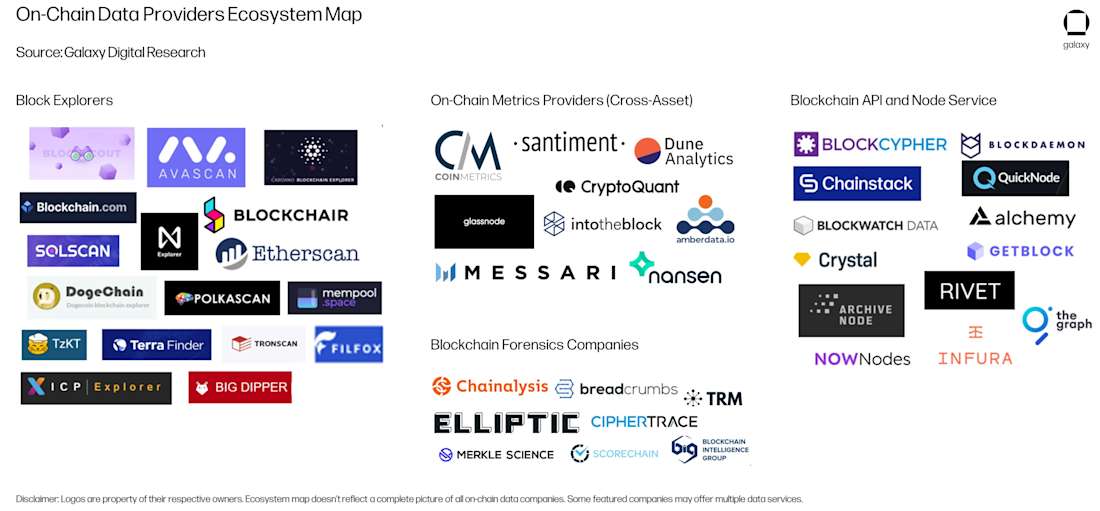
For example, when a Bitcoin ETF receives a deposit, the coins move from a client’s wallet to a custodian’s address. On-chain, this looks like a simple transfer to a large, inactive wallet. You cannot tell if it is a new inflow, a rebalancing, or a long-term hold without additional data. This is where specialized providers like Coin Metrics step in, offering "ETF On-Chain Insights" that attempt to bridge this gap by mapping custodian addresses to specific funds [src-2].
The limitation is not just technical; it is structural. Custodians often aggregate assets from multiple clients into single addresses for efficiency. This "pooling" effect dilutes the signal. A large inflow might represent dozens of small investors, or a single whale. Without granular data, on-chain metrics alone cannot distinguish between retail FOMO and institutional accumulation.
To get a clearer picture, analysts must combine on-chain flow data with traditional market metrics like AUM (Assets Under Management) and NAV (Net Asset Value) [src-1]. Relying solely on on-chain data can lead to false signals. Always cross-reference on-chain movements with official fund reports to confirm whether a movement represents actual new money or just internal shifting.
Crypto etf on-chain data choices that change the plan
Tracking Bitcoin ETF flows requires balancing real-time visibility with the structural limitations of custodian reporting. While on-chain data offers an unfiltered view of network activity, it does not perfectly mirror the internal accounting of traditional asset managers. Understanding where these datasets align and where they diverge is essential for accurate market analysis.
The primary advantage of on-chain tracking is immediacy. When large transfers occur between exchange wallets and cold storage, these movements are visible on the blockchain seconds after confirmation. This allows traders to spot potential liquidity shifts or institutional accumulation before it impacts spot prices. However, this visibility comes with noise. Not all on-chain movements represent ETF-related activity; many are internal custodian rebalancing or unrelated institutional transfers that can mimic whale behavior.
Conversely, official fund disclosures provide verified net asset values (NAV) and total inflows, but these are often delayed by market close or reported with a lag. Relying solely on end-of-day reports misses intraday volatility and immediate sentiment shifts. The most robust approach combines both: using on-chain metrics to gauge real-time pressure and official reports to confirm cumulative trends.
Key Evaluation Factors
- Data Latency: On-chain data is instant but noisy; official reports are clean but delayed. Determine which timeframe matters more for your strategy.
- Custodian Transparency: Different ETF providers use different custodians (e.g., Fidelity, Coinbase). Their specific reporting schedules vary, creating gaps in uniform data availability.
- Signal vs. Noise: Distinguishing between ETF-specific inflows and general network activity requires filtering out non-ETF exchange deposits and withdrawals.
Comparison of Data Sources
| Feature | On-Chain Analysis | Official Fund Reports | Custodian Updates |
|---|---|---|---|
| Update Frequency | Real-time (seconds/minutes) | Daily (post-market close) | Variable (often delayed) |
| Accuracy | High (immutable ledger) | High (audited) | Medium (internal estimates) |
| Granularity | Wallet-level detail | Aggregate net flows | Aggregate holdings |
| Complexity | High (requires filtering) | Low (direct figures) | Medium (provider-specific) |
| Feature | On-Chain | Official Reports | Custodian Updates |
|---|---|---|---|
| Update Frequency | Real-time | Daily | Variable |
| Accuracy | High | High | Medium |
| Granularity | Wallet-level | Aggregate | Aggregate |
| Complexity | High | Low | Medium |
The choice between these data sources depends on your trading horizon. Short-term traders often prioritize on-chain signals for entry and exit timing, while long-term investors may find the clarity of official reports more useful for confirming macro trends. Always cross-reference both to avoid acting on misleading temporary fluctuations.
Choose the next step
Crypto ETF On-Chain Analysis works best as a clear sequence: define the constraint, compare the realistic options, test the tradeoff, and choose the path with the fewest hidden costs. That order keeps the advice usable instead of decorative. After each step, pause long enough to check whether the recommendation still fits the reader's actual situation. If it depends on perfect timing, unusual access, or a best-case budget, include a simpler fallback.
Spotting Misleading ETF Claims
On-chain data reveals the difference between real institutional demand and artificial price support. Many analysts cite total exchange reserves as proof of bullish sentiment, but this metric ignores ETF custody structures. Since spot Bitcoin ETFs hold assets in segregated cold storage, standard exchange balance trackers often miss billions in accumulated supply. Relying on these incomplete datasets leads to false conclusions about available liquidity.
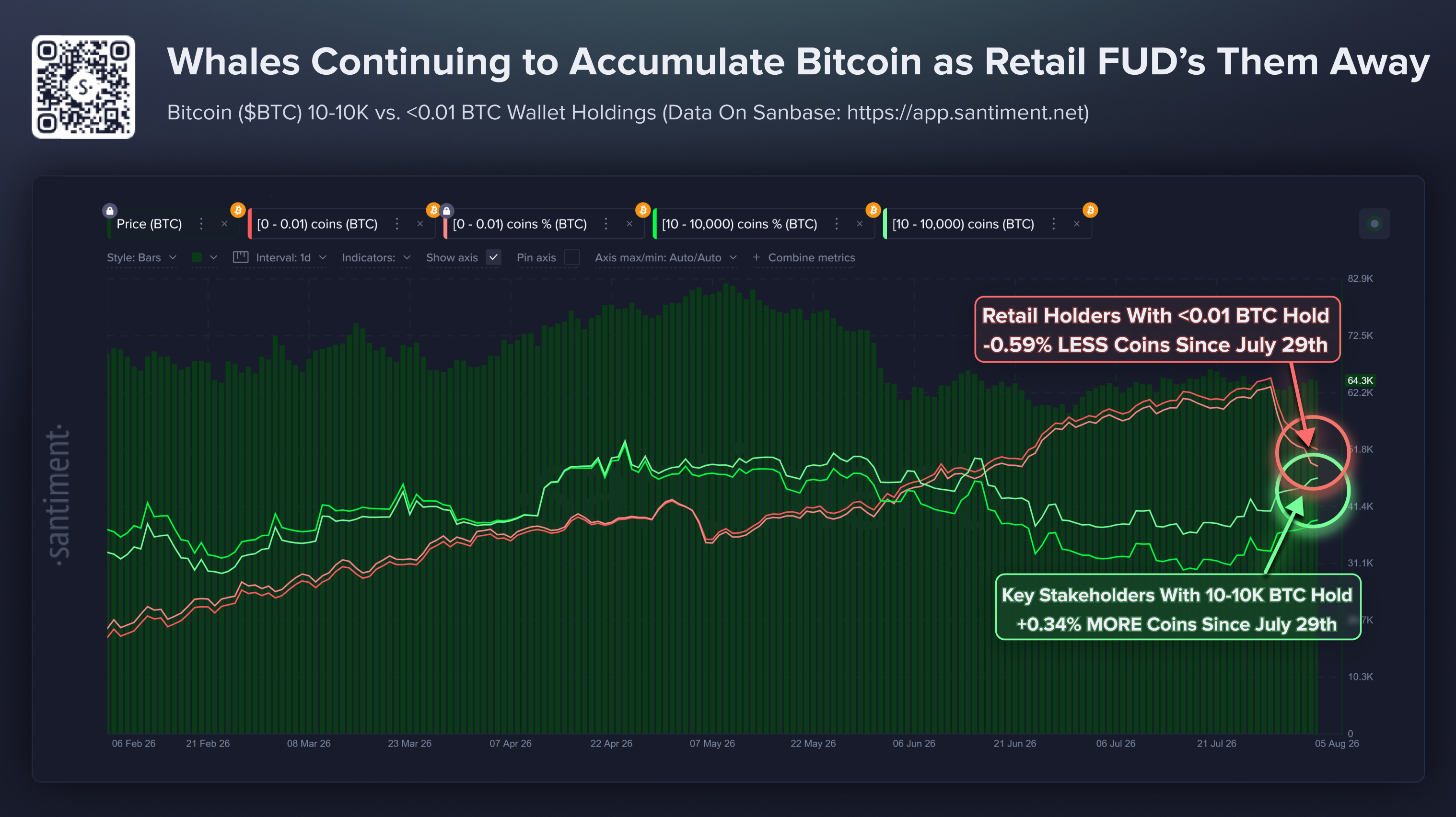
Another common error involves misinterpreting whale accumulation patterns. Large wallet movements do not always indicate buying pressure; they frequently represent transfers between private wallets or exchanges preparing for withdrawals. Without tracking the final destination of these transactions, you risk mistaking distribution for accumulation. Always verify if large movements result in net exchange outflows or just internal reshuffling.
Finally, be wary of claims suggesting ETF inflows directly correlate with immediate price spikes. The market often prices in expected inflows days before they settle. By the time on-chain data confirms a surge in ETF purchases, the short-term momentum may have already faded. Focus on sustained accumulation trends rather than single-day volume spikes to gauge genuine long-term interest.
Crypto etf on-chain data: what to check next
Investors tracking crypto ETFs often confuse traditional fund flows with on-chain activity. Understanding the difference helps you spot real accumulation patterns versus short-term trading noise.
What are the top 5 crypto ETFs?
The market is led by spot Bitcoin ETFs like BlackRock’s IBIT and Fidelity’s FBTC, which hold the largest assets under management. Ethereum-focused funds such as BlackRock’s ETHA and Grayscale’s ETHE also rank highly. These five typically account for the majority of daily inflows and outflows tracked by providers like CoinMarketCap and ETFdb.
Is there an ETF for blockchain?
Yes, but they differ from spot crypto ETFs. Blockchain ETFs (like BLOK or BIB) hold stocks of companies involved in the technology, not the cryptocurrency itself. This offers exposure to the sector’s growth without the direct volatility of holding Bitcoin or Ethereum on-chain.
What is crypto on-chain data?
On-chain data records every transaction on the blockchain. For ETFs, this specifically tracks custodian wallets—addresses holding the actual coins backing the fund. Platforms like Dune Analytics and Coin Metrics provide dashboards that monitor these deposits and withdrawals, giving investors a real-time view of institutional accumulation.
Is there an Onchain crypto ETF?
There is no single "on-chain ETF." Instead, investors use on-chain data to analyze traditional crypto ETFs. By monitoring the wallet addresses of ETF custodians, you can see if institutions are buying (inflows) or selling (outflows) the underlying assets, providing a layer of transparency not available in traditional stock markets.
Helpful gear
Use these product recommendations as a starting point, then choose the size, material, and price point that fit how you actually use the gear.

As an Amazon Associate, we may earn from qualifying purchases.

No comments yet. Be the first to share your thoughts!