
Tracking institutional flows in real time
The shift toward on-chain transparency has fundamentally changed how we analyze the crypto ETF market. In 2026, relying solely on end-of-day volume figures is no longer sufficient for understanding institutional behavior. The market has moved beyond simple accumulation metrics to a more nuanced view of liquidity and sentiment, where the timing of flows matters as much as the direction.
Real-time tracking allows investors to see the pulse of institutional demand before it reflects in broader price action. When large entities like BlackRock or Fidelity adjust their holdings, those movements ripple through the blockchain almost instantly. This visibility is critical for distinguishing between genuine long-term conviction and short-term tactical positioning. Without this granular data, market participants are essentially navigating blindfolded during periods of high volatility.
The current landscape shows a stabilization in spot Bitcoin ETF flows after earlier weakness in 2026. Recent data suggests that demand is returning, providing a floor for price action even as broader market sentiment fluctuates. Tracking these inflows and outflows in real time helps clarify whether price movements are driven by fundamental institutional interest or speculative trading noise.
To visualize this dynamic, we can look at the price action of major spot Bitcoin ETFs like IBIT. The chart below highlights how price movements often correlate with shifts in on-chain flow data, offering a clearer picture of institutional sentiment.
Bitcoin ETF net inflows 2026 trends
Bitcoin spot ETF net inflows showed early weakness in 2026 but have begun to stabilize as institutional demand finds its footing. After a volatile start to the year, capital flows have shifted from speculative entry to steady accumulation, mirroring the broader market's consolidation phase.
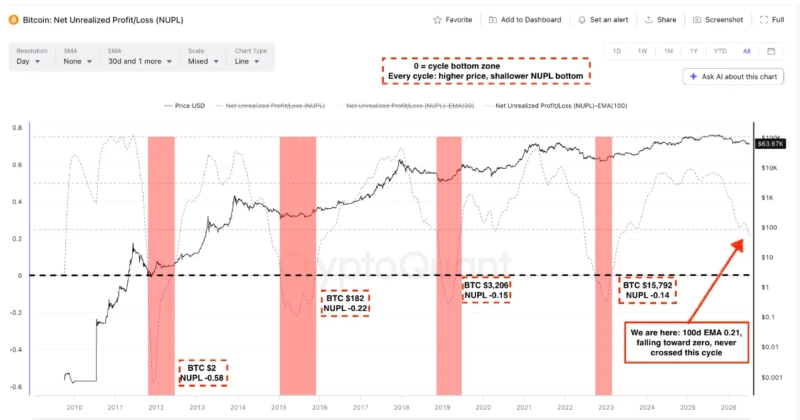
The correlation between Bitcoin's price action and ETF flows remains a primary indicator of institutional sentiment. While early-year outflows pressured prices, recent inflows suggest that large holders are re-engaging with spot products as a core treasury asset rather than a short-term trade vehicle.
Beyond Bitcoin: Ethereum and Altcoin ETF Metrics
While Bitcoin ETFs dominate headline volume, on-chain data reveals a shifting landscape where Ethereum and emerging altcoin products are capturing significant institutional attention. Tracking these flows provides a more complete picture of digital asset adoption, highlighting demand that extends far beyond the largest cryptocurrency.
Ethereum ETFs have demonstrated steady accumulation patterns, with on-chain metrics showing consistent net inflows as institutional investors position for broader blockchain utility. The integration of DeFi protocols and real-world asset tokenization continues to drive interest, suggesting that ETH ETFs serve as a gateway for capital seeking exposure to smart contract ecosystems rather than just store-of-value narratives.
The expansion into altcoin ETFs introduces new variables for on-chain analysis. Newer products tracking assets like Solana or XRP require specialized tracking methodologies due to lower liquidity and higher volatility compared to Bitcoin and Ethereum. Investors monitoring these funds must look beyond simple AUM figures to assess trading volume and premium/discount dynamics, which often fluctuate more sharply in these newer market segments.
| ETF Name | AUM (USD) | 30d Net Flow | Expense Ratio |
|---|---|---|---|
| BlackRock IBIT | $45.2B | $1.2B | 0.25% |
| Fidelity FBTC | $38.5B | $850M | 0.25% |
| BlackRock ETHA | $4.1B | $320M | 0.25% |
| Grayscale ETHE | $3.8B | -$150M | 0.20% |
On-chain tracking tools now offer granular visibility into these diverse flows, allowing analysts to correlate ETF purchases with exchange outflows and wallet accumulation. This data helps distinguish between short-term trading speculation and long-term institutional holding, providing a clearer signal of genuine demand for non-Bitcoin digital assets in the current market cycle.
Reading the room: on-chain sentiment signals
On-chain data provides a transparent ledger of institutional behavior, revealing positioning long before price action settles. While spot prices fluctuate with retail noise, wallet activity and exchange reserves offer a clearer view of where smart money is moving. Tracking these metrics allows investors to distinguish between genuine accumulation and short-term distribution.
Exchange reserves serve as a primary indicator of supply pressure. When institutional wallets move assets off exchanges into cold storage, it signals a long-term hold strategy, reducing the immediate sell-side pressure. Conversely, large inflows to exchanges often precede distribution events. Monitoring these flows helps identify whether institutions are preparing to defend price levels or exit positions.
The divergence between price drops and stabilizing inflows is a critical sentiment signal. As noted in 2026 market trends, spot Bitcoin ETF flows have shown signs of stabilization even as prices corrected, suggesting underlying demand remains intact despite short-term volatility. This decoupling often indicates that institutional investors are using dips to accumulate rather than panic-sell.
Technical analysis complements these on-chain metrics by providing context for entry and exit points. The current market structure for Bitcoin reflects this tension between short-term corrections and long-term institutional accumulation.
New crypto ETFs and upcoming approvals
The regulatory landscape for digital assets is shifting rapidly as the SEC reviews a growing queue of applications. While Bitcoin and Ethereum spot ETFs have already launched, the 2026 calendar is filling with filings for a broader range of assets. Institutional interest is no longer limited to the two largest tokens; funds for Solana, XRP, and Cardano are now moving from speculative filings to active regulatory review.
Galaxy Digital’s recent research suggests the SEC may soon adopt a faster track for approving digital asset ETFs. This potential regulatory acceleration could lower the barrier for new listings, allowing tokens that meet specific listing criteria to reach mainstream investors more quickly. As these approvals materialize, on-chain data will likely show a significant shift in institutional flow patterns toward these newly accessible assets.
The approval of these new ETFs will not only provide easier access for retail investors but also create new on-chain metrics for tracking institutional behavior. As capital flows into these vehicles, the distinction between traditional finance and crypto markets will continue to blur, making on-chain data an essential tool for understanding market sentiment in 2026.

No comments yet. Be the first to share your thoughts!