
Crypto etf on-chain data limits to account for
Tracking institutional adoption through on-chain data requires navigating a fragmented landscape. While spot Bitcoin and Ethereum ETFs have streamlined the flow of capital, their on-chain signals are often noisy or delayed. Unlike direct wallet tracking, ETF flows represent aggregated institutional sentiment, which can mask the behavior of individual large holders.
The visibility gap
Most on-chain analytics platforms provide real-time data for decentralized exchanges and self-custodied wallets. ETF transactions, however, occur through traditional custodians and clearinghouses. This creates a visibility gap where real-time price movements are visible, but the underlying source of buying or selling pressure remains opaque until daily flow reports are published.
Lagging indicators
Daily net flow data is a lagging indicator. By the time you see a spike in inflows to a Bitcoin ETF, the market may have already priced in the demand. Relying solely on these reports for short-term trading decisions can lead to missed entries. Instead, use on-chain data to confirm longer-term trends, such as sustained accumulation by institutional players, rather than day-to-day volatility.
Distinguishing signal from noise
Not all on-chain activity is created equal. High transaction volumes can result from internal custodian rebalancing rather than new investor interest. To avoid false signals, focus on metrics that distinguish between custodian movements and actual investor demand. Look for consistent daily inflows over weeks, not just isolated spikes that may reflect administrative adjustments or arbitrage activity.
Practical tracking approach
For investors, the most practical approach combines ETF flow data with broader on-chain metrics. Monitor exchange reserves to gauge supply pressure, and use ETF inflows to understand institutional sentiment. This hybrid view provides a more complete picture of market dynamics than either dataset alone. Remember that on-chain data is a tool for context, not a crystal ball for immediate price direction.
Crypto etf on-chain data choices that change the plan
Tracking on-chain flows for crypto ETFs requires balancing real-time visibility against data latency and protocol fragmentation. While spot Bitcoin and Ethereum ETFs benefit from regulated custodians and standardized reporting, altcoin ETFs often rely on less mature infrastructure. This section breaks down the concrete factors you should evaluate when comparing these investment vehicles.
Spot Bitcoin vs. Ethereum ETFs
Spot Bitcoin ETFs dominate institutional volume, with flows often exceeding $1 billion daily during market volatility. The on-chain data is relatively clean because it primarily tracks movements between custodian wallets (like BlackRock’s or Fidelity’s) and exchanges. However, this transparency creates a lag; you are often seeing yesterday’s net inflows rather than real-time trading pressure.
Ethereum ETFs introduce complexity due to the underlying staking mechanisms. When ETFs hold ETH, a portion of the yield is generated through staking rewards. On-chain data must distinguish between simple holding behavior and active staking participation. This adds a layer of analysis: you are not just tracking flow, but also yield generation efficiency, which varies significantly between providers.
Altcoin and Active Strategy ETFs
Newer entrants, such as the ARK 21Shares Active On-Chain Bitcoin Strategy ETF, or potential future Spot Solana and XRP ETFs, present higher data noise. These funds often engage in more frequent trading or hold assets across multiple chains. On-chain tracking becomes fragmented because you must aggregate data from different blockchains and custodial structures.
For example, an altcoin ETF might hold assets in cold storage, hot wallets, and DeFi protocols for yield enhancement. This makes it difficult to determine the true "net flow" from on-chain data alone. You must combine on-chain metrics with quarterly SEC filings to get an accurate picture of institutional exposure.
Key Tradeoffs to Evaluate
| Factor | Spot Bitcoin ETFs | Spot Ethereum ETFs | Altcoin/Active ETFs |
|---|---|---|---|
| Data Clarity | High (Single chain, few custodians) | Medium (Staking complexity) | Low (Multi-chain, frequent trading) |
| Flow Latency | 24-48 hours (Daily reports) | 24-48 hours (Daily reports) | Variable (Often less frequent) |
| Institutional Depth | Very High ($100B+ AUM) | High ($50B+ AUM) | Low to Medium |
| Yield Component | None | Staking Rewards | Variable (DeFi/Trading) |
Making the Decision
If your strategy relies on precise timing, spot Bitcoin ETFs offer the most reliable on-chain signals. The high volume and standardized custodial structure mean that large inflows or outflows are immediately visible on the blockchain. For Ethereum, focus on staking participation rates as a proxy for long-term holding conviction.
For altcoin ETFs, treat on-chain data as a supplementary signal rather than a primary indicator. The noise-to-signal ratio is higher, and you should cross-reference on-chain movements with broader market sentiment and regulatory news. Remember that smaller ETFs can be moved by a single large institutional trade, skewing the data for short periods.
Choose the next step
Crypto ETF On-Chain Analysis works best as a clear sequence: define the constraint, compare the realistic options, test the tradeoff, and choose the path with the fewest hidden costs. That order keeps the advice usable instead of decorative. After each step, pause long enough to check whether the recommendation still fits the reader's actual situation. If it depends on perfect timing, unusual access, or a best-case budget, include a simpler fallback.
-
Verify the sourceUse this as a welfare screen: confirm the breeder, rescue, store, or private seller can explain care history and answer basic husbandry questions.
-
Check health signsLook for clear eyes, alert behavior, healthy weight, clean vent area, and no obvious swelling, wounds, or stuck shed.
-
Prepare the enclosureHave heat, UVB, substrate, hides, food, and temperature checks ready before pickup or shipping day.
-
Plan transportConfirm pickup timing, shipping weather, packaging, and the first-week settling plan before paying.
Spot Bitcoin ETF Flow Tracking
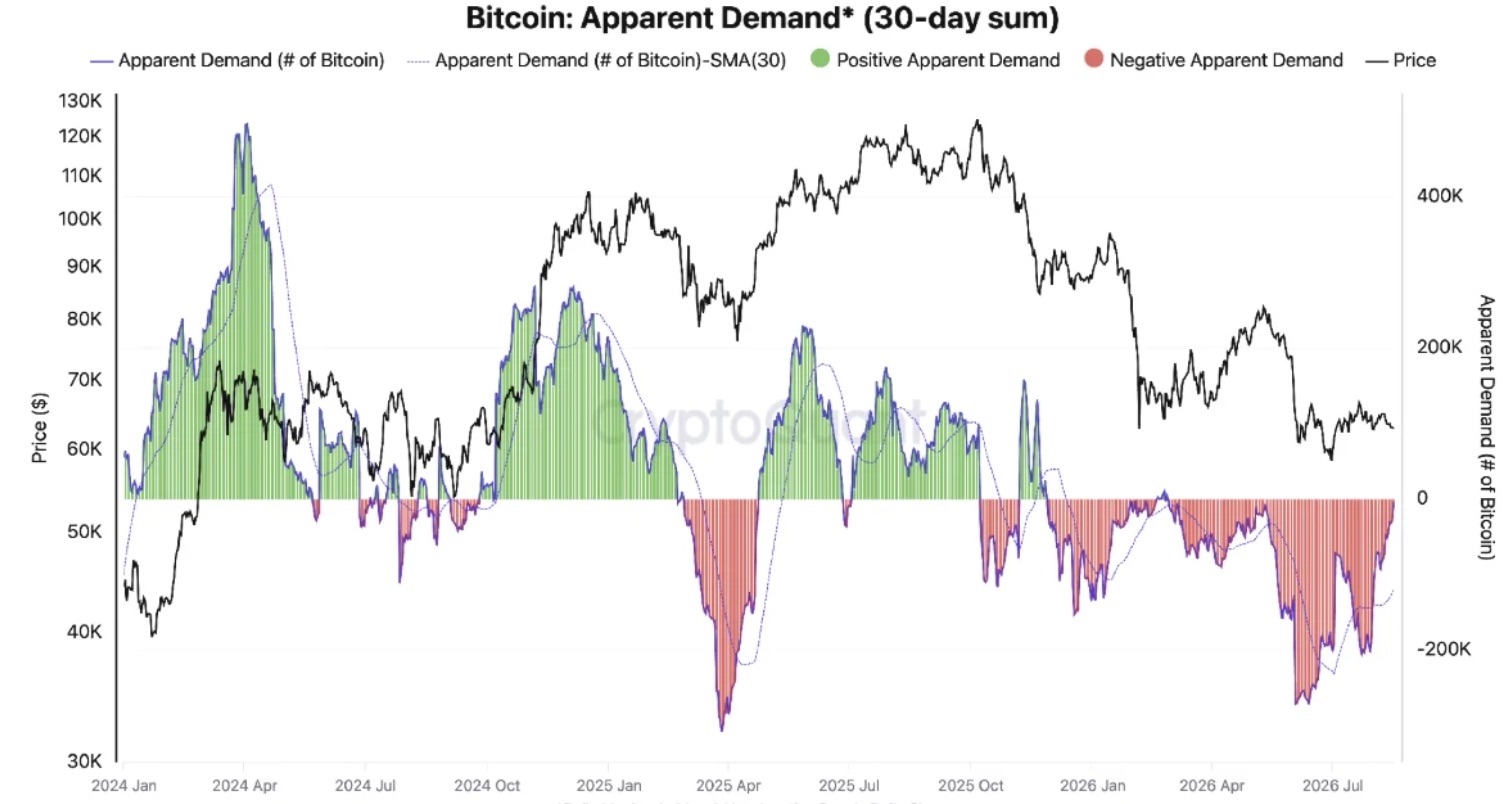
Spot Bitcoin ETFs saw weakened flows earlier in 2026, but recent data suggests demand has started to stabilize. To track these shifts accurately, you need to look beyond headline daily net inflows. On-chain analysis reveals that large inflows often mask underlying distribution by long-term holders. A positive day does not always mean institutional accumulation is accelerating. It can simply reflect short-term rebalancing or passive index fund adjustments.
Use a provider-backed widget to monitor real-time price action alongside volume spikes. Sudden price drops with high ETF volume often indicate institutional profit-taking rather than retail panic. Conversely, steady price appreciation with low ETF volume suggests weak demand, making the rally fragile. Watching these correlations helps you distinguish between organic growth and speculative bubbles.
Crypto etf on-chain data 2026: what to check next
Investors tracking institutional adoption need to look beyond headline prices. On-chain data and flow metrics reveal where smart money is actually positioning itself for the remainder of 2026. Below are the most pressing questions regarding ETF performance and upcoming launches.
Which ETFs will boom in 2026?
Bitcoin and Ethereum spot ETFs remain the primary beneficiaries of institutional capital. While early-year flows were volatile, recent data shows stabilization as large holders accumulate during dips. Bitcoin ETFs recently absorbed significant inflows, reversing earlier outflow streaks, suggesting sustained demand for regulated exposure to the leading assets.
What are some upcoming crypto ETFs?
The market is expanding beyond BTC and ETH. Analysts are closely watching filings for altcoin ETFs, with Dogecoin and Chainlink frequently cited as potential next candidates. These products could broaden institutional access to utility tokens, though regulatory approval timelines remain uncertain for assets outside the top two market caps.
What is the next big crypto to invest in in 2026?
Ethereum remains the strongest candidate for significant price appreciation, with some analysts projecting a range of $7,000–$11,000 if real-world asset tokenization gains traction. The success of ETH ETFs will likely depend on the broader adoption of DeFi and tokenized assets, making it a key sector to monitor for institutional growth.
Is XRP going to become an ETF?
XRP faces a higher regulatory barrier compared to Bitcoin and Ethereum due to its historical classification disputes. While speculative filings exist, the SEC has not yet signaled approval for an XRP spot ETF. Investors should treat any XRP ETF product as a long-term possibility rather than an imminent launch in 2026.

No comments yet. Be the first to share your thoughts!