
Reading crypto ETF on-chain data in 2026
Tracking institutional flows through on-chain data requires looking beyond simple price movements. In 2026, the primary signal for crypto ETFs is not just net inflows, but the movement of assets between exchange-traded products and cold storage wallets. This distinction reveals whether capital is rotating into long-term holding or preparing for short-term exits.
Spot Bitcoin ETFs have shown stabilized demand after earlier weakness, but the nuance lies in the custody layers. When large blocks of BTC move from ETF issuers to private cold storage, it signals institutional conviction. Conversely, rapid transfers to exchange wallets often precede selling pressure. Monitoring these flows provides a clearer picture of smart money positioning than daily volume metrics alone.
Emerging altcoin ETFs, including those for Dogecoin and Chainlink, introduce new variables. Their on-chain data is less mature, making each significant transfer more impactful. Investors should track the specific wallet addresses associated with these issuers to distinguish between passive index rebalancing and active trading decisions. This granular view helps separate genuine adoption from speculative noise.
The challenge is data fragmentation. Unlike spot Bitcoin, where one primary custodian handles most flows, altcoin ETFs may use multiple providers. Aggregating this data requires careful verification. Relying on a single source can lead to incomplete insights. Cross-referencing official issuer reports with on-chain analytics platforms ensures accuracy.
Crypto etf on-chain data choices that change the plan
Tracking institutional flows requires looking past headline inflow numbers. On-chain data reveals the mechanics behind the movement, but it comes with distinct blind spots. You are comparing two different lenses: the public ledger of the blockchain versus the opaque reporting of traditional finance.
The primary tension lies in timing and attribution. Spot Bitcoin ETFs like those tracking BTC show immediate on-chain settlement when shares are created or redeemed, but this often happens days after the initial secondary market trade. Meanwhile, altcoin ETFs for assets like Solana or XRP may have different custody structures, complicating the direct link between a trade and the blockchain balance sheet. You must decide whether you are tracking intent (trades) or settlement (actual asset movement).
Another factor is the "smart money" signal. On-chain analytics can identify whale wallets or exchange outflows that suggest accumulation. However, ETF flows aggregate all investors. A large inflow could be a pension fund hedging or a retail frenzy. Without granular data, you cannot easily distinguish between long-term holding and short-term speculation. This makes pure on-chain metrics less reliable for predicting ETF performance than for identifying broader market sentiment.
Comparison of data sources
Use this table to compare the strengths and weaknesses of on-chain versus traditional flow data.
| Metric | On-Chain Data | Traditional Flow Data | Key Tradeoff |
|---|---|---|---|
| Timing | Real-time (seconds) | T+1 or T+2 (days) | On-chain shows intent; traditional shows settlement. |
| Attribution | Wallet-based (hard to link to entity) | Fund-level (aggregate only) | On-chain tracks behavior; traditional tracks volume. |
| Scope | Specific asset movement | Total fund net assets | On-chain is granular; traditional is holistic. |
| Noise | High (exchange deposits/withdrawals) | Lower (but lags) | On-chain requires filtering; traditional requires patience. |
Market context
Understanding these tradeoffs helps you interpret the current landscape. For instance, recent data shows Bitcoin ETF flows stabilizing after early 2026 volatility, but on-chain metrics reveal significant exchange outflows, suggesting long-term holding despite short-term price fluctuations. This divergence highlights why relying on a single data source is risky.
How to track institutional crypto ETF flows
Spot Bitcoin ETFs saw weakening inflows earlier in 2026, but recent data suggests demand has started to stabilize. To navigate this volatility, you need a framework that separates noise from actual institutional conviction. This section breaks down the on-chain signals that matter most for identifying smart money moves in 2026.
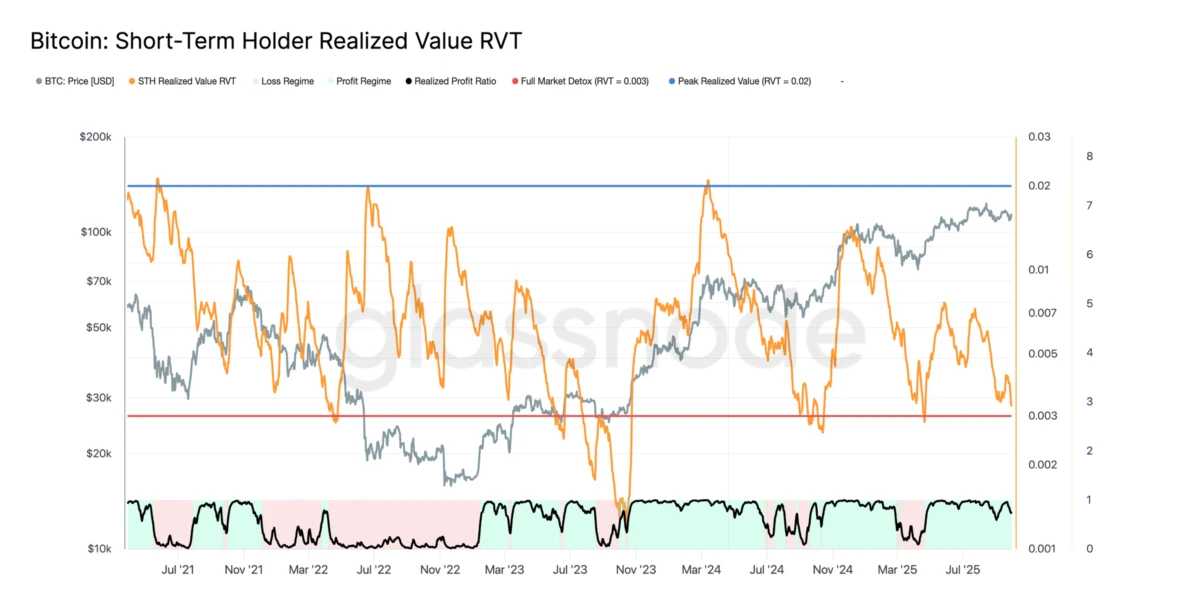
Institutional investors often signal their intent through consistent daily net inflows or outflows. A single day of heavy buying can be noise, but a week of steady accumulation usually precedes price appreciation. Track these trends using live data from Crypto ETF List Data to spot early momentum shifts before they hit the broader market.

Smart money moves are rarely anonymous. Look for large transfers from known institutional custodians or exchange cold wallets to hot wallets. Sudden concentration in specific addresses often indicates preparation for a large trade or a strategic repositioning. If you see large outflows from exchanges, it often signals a long-term hold rather than immediate selling pressure.
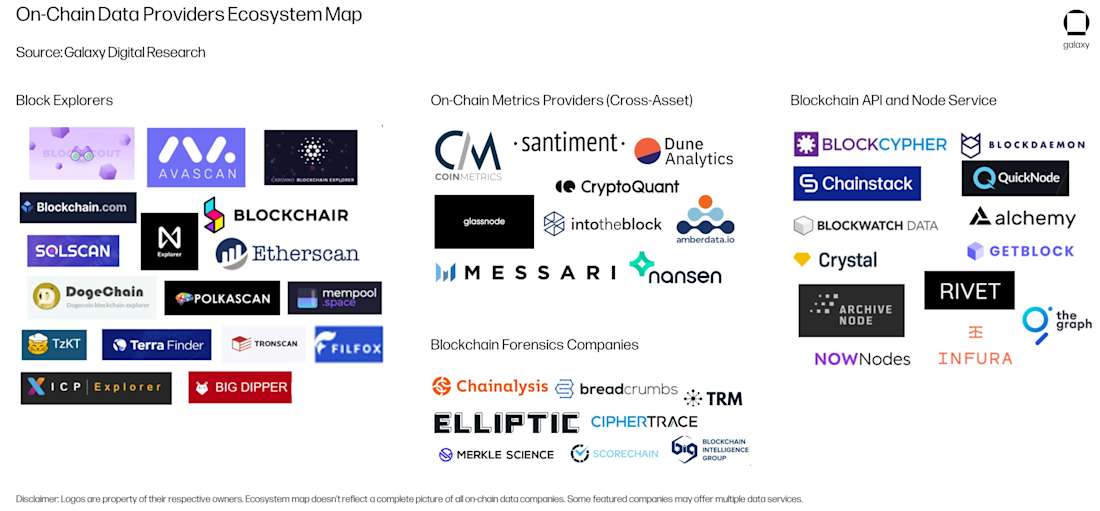
Arbitrage opportunities reveal market inefficiencies. When the ETF trades at a significant premium or discount to the underlying asset's spot price, it indicates supply and demand imbalances. A persistent premium suggests strong institutional demand that spot prices haven't fully reflected yet. Use a TechnicalChart to visualize the spread between the ETF and the asset.
While Bitcoin dominates headlines, ETFs for Dogecoin, Chainlink, and other altcoins are gaining traction. These newer funds often have lower liquidity and higher volatility, offering different risk-reward profiles. Tracking their on-chain flows can provide early signals for broader altcoin market trends. Keep an eye on upcoming crypto ETFs to anticipate where the next wave of institutional capital might flow.
By focusing on these concrete checks, you can move beyond generic market commentary and make data-driven decisions. This approach helps you identify which ETF will grow the most in 2026 based on actual capital movement rather than speculation.
Watch for misleading claims and weak options
The crypto ETF market in 2026 is shifting from broad adoption to selective strength. While spot Bitcoin ETFs once dominated headlines with massive inflows, recent data shows a stabilization rather than continued explosive growth. This shift exposes investors to two primary risks: chasing weak options with low liquidity or falling for marketing claims that ignore on-chain reality.
Weak options to avoid
Not all crypto ETFs are created equal. Some funds track obscure altcoins with thin trading volumes, making them vulnerable to wide bid-ask spreads and manipulation. Others carry hidden fees that erode returns over time. Avoid ETFs that promise high yields without transparent fee structures or those tracking assets with limited institutional custody solutions. Stick to established funds with clear regulatory compliance and deep liquidity pools.
Misleading claims to question
Some providers market their ETFs as "institutional-grade" while lacking proper security audits or transparent reporting. Be wary of claims about "guaranteed returns" or "risk-free exposure"—no crypto investment is without volatility. Also, scrutinize any fund that doesn't clearly disclose its holdings or custodial arrangements. On-chain analysis can help verify these claims by tracking actual wallet movements and fund reserves.
Common mistakes to prevent
Many investors make the mistake of focusing solely on price performance while ignoring flow data. A rising ETF price doesn't necessarily indicate strong institutional demand if outflows are concurrent. Additionally, diversifying too broadly into multiple small crypto ETFs can dilute potential gains while increasing complexity. Instead, concentrate on a few high-conviction options with strong on-chain metrics and transparent operations. Use tools like on-chain dashboards to monitor real-time flow data rather than relying on lagging price indicators.

No comments yet. Be the first to share your thoughts!